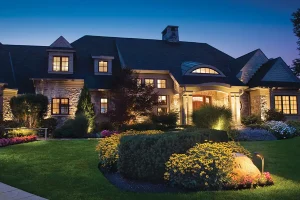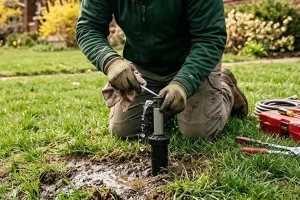
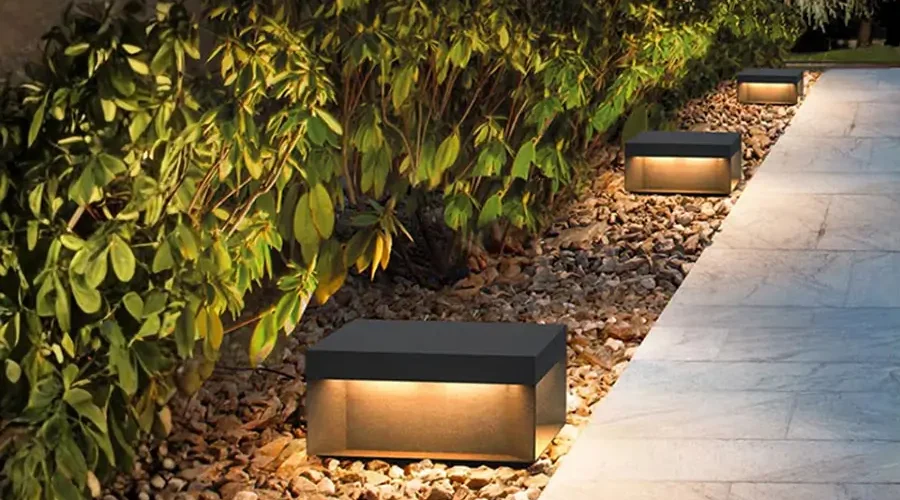
Cold winters in Northern Kentucky can be rough on homes. Power bills climb, daylight fades early, and outdoor lighting ends up running much longer than expected. That’s where low-voltage lighting really makes a difference. At Expert Irrigation & Outdoor Lighting, we handle these winter challenges every year as a professional outdoor lighting contractor in NKY, helping homeowners reduce energy use while keeping their properties safely lit through snow and freezing nights.
We design and install lighting that works with winter weather, not against it. Let’s talk about why low-voltage lighting makes so much sense when the cold rolls in.
Why does low-voltage lighting use less power in winter?
Low-voltage systems run on less electricity than standard lighting. That simple fact matters a lot when lights stay on longer during short winter days.
How does lower wattage help during cold months?
Traditional outdoor lights often pull a lot of power. Low-voltage lights use far less energy to create steady light. That means less strain on your system when nights are long and dark.
Lower watt draw means each fixture pulls only what it needs, even when it runs for many hours.
Steady power flow helps lights stay on without sudden spikes that drive bills up.
How do LED bulbs improve winter efficiency?
Most low-voltage systems use LED bulbs, and we install them daily across Northern Kentucky. LEDs handle cold weather very well.
Why do LEDs handle freezing temperatures so well?
Cold air does not slow LED bulbs down. When the temperature drops, they still turn on fast and stay bright. There is no waiting for them to warm up, even on icy nights.
Cold-ready lighting means the lights shine at full brightness right away, even during freezing weather.
How do LEDs help cut down on maintenance in winter?
LED bulbs last much longer than older bulbs. That means fewer burnouts when the ground is frozen and hard to dig around.
Long bulb life helps homeowners avoid mid-winter repairs and keeps lights working through snow and ice.
What do we see on real winter installs?
We just replaced older fixtures at a home last winter, right before heavy snow hit. The new LED lights stayed bright, steady, and reliable through freezing nights and snowy weeks without any issues.
What role do transformers play in saving energy?
The transformer is the heart of a low-voltage lighting system. It controls how much power reaches each light.
How does smart power control help in winter?
A good transformer sends only the needed electricity. No waste. No overload.
Balanced power delivery keeps lights running evenly without stress.
Timer and sensor support let lights turn on only when needed during long winter nights.
This setup helps avoid lights running all day when sthe now reflects sunlight.
Why is low-voltage lighting safer during wet and icy weather?
Winter brings snow, slush, and frozen ground. Safety matters just as much as savings.
How does low voltage lower winter risk?
Low-voltage systems carry less electrical current. That lowers risk when moisture is present.
Reduced shock risk adds peace of mind around icy walkways.
Weather-rated fixtures stand up to freeze and thaw cycles without damage.
We just installed path lighting near a driveway that freezes often, and the homeowner felt safer right away.
Does fixture placement affect winter efficiency?
We place outdoor lights with winter weather in mind, not just how things look on a summer night.
How does smart placement reduce wasted power?
When lights are aimed the right way, they do their job without needing extra strength. There’s no need to overpower an area just to make it visible.
Focused beams light walkways, steps, and entry points without spilling light into areas that do not need it.
Why does spacing matter more in winter?
Placing fixtures too close together leads to using more lights than needed. Winter nights are long, so extra fixtures mean extra power running for hours.
Correct spacing allows fewer lights to cover more space while still keeping paths safe and clear.
What do we see on real installs?
We just adjusted fixture placement at a home before winter hit, and the results were clear. The homeowner got better coverage using fewer lights, and everything stayed bright even during snowy evenings.
It’s a great example of the same issues we explain in our guide on winter lighting problems and how contractors can prevent them in Northern Kentucky.
When lights are placed correctly, fewer fixtures can do more work, which makes a real difference during long, dark NKY winters.
Frequently Asked Questions About an Outdoor Lighting Contractor
Does low-voltage lighting really lower winter power bills?
Yes. It uses less electricity per light, even when run longer during winter nights.
Can low-voltage lighting handle snow and freezing temperatures?
Yes. The fixtures and LED bulbs are made to work well in cold weather.
Is low-voltage lighting safe around ice and moisture?
Yes. The lower electrical current reduces risk when surfaces are wet or frozen.
Why low-voltage lighting is a smart winter choice
Northern Kentucky winters demand lighting that lasts, saves power, and stays safe. Low-voltage lighting checks all those boxes. From LEDs that love the cold to transformers that manage power wisely, this type of lighting keeps homes bright without driving bills up.
At Expert Irrigation & Outdoor Lighting, this is what we do every season. We just installed systems built for winter nights, icy weather, and long hours of use. If you want outdoor lighting that works hard without wasting power, give Expert Irrigation & Outdoor Lighting a call today at (859) 282-8101. We’re happy to help your home shine through winter.