A few weeks ago, we just finished a sprinkler repair job in the greater Cincinnati area where one small clog inside a valve caused a full shutdown of an entire sprinkler section. The homeowner thought the problem came from low water pressure or a broken pipe.
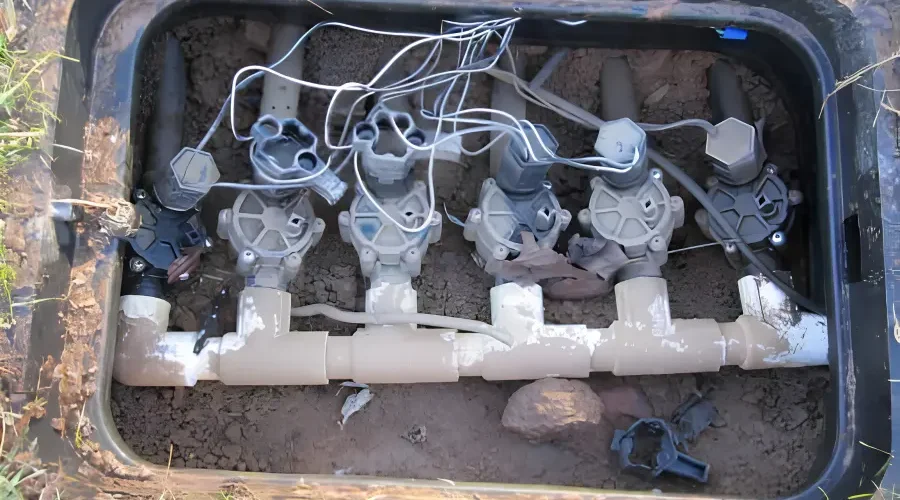
It turned out to be packed debris stuck inside the valve control area. Problems like this highlight the importance of professional sprinkler system installation, where proper system design, filtration, and component selection can help reduce the risk of future valve and water flow issues.
That kind of problem happens more than most homeowners think.
At Expert Irrigation & Outdoor Lighting, we inspect sprinkler systems across Cincinnati and surrounding areas every week. One clogged valve can stop water flow, create dry spots, raise water bills, and even lead to water damage near the main line. A tiny blockage can turn into a bigger plumbing job if nobody catches it early.
Can One Valve Really Shut Down A Whole Sprinkler Section?
Your sprinkler system works like a team. Every valve helps control water flow to a certain section. If one valve gets blocked by debris, clay, corrosion, or tree roots near the pipe joints, that section may stop working completely.
We just did an inspection for a homeowner in the Cincinnati area whose sprinkler heads would not operate at all. The timer worked fine. The control box looked normal. The problem was a clog inside the valve that would not open.
Once we cleaned it and checked the water line, the system came back on right away.
What Happens Inside The Valve?
The valve opens and closes when your system tells it to run. If dirt or debris gets trapped inside, the valve may stay shut.
That can stop water from reaching the sprinkler heads.
Can A Small Clog Cause Bigger Trouble?
Yes. A small clog can create pressure buildup inside the pipe. Over time, that may lead to a leak, a cracked pipe, or moisture around the lawn.
That is why regular maintenance helps protect the full system.
What Usually Causes A Sprinkler Valve To Clog?
We see a few common causes during repair and drain cleaning work around Cincinnati.
Debris buildup: Dirt, small rocks, and clay can move through the water line and collect inside the valve.
Corrosion: Older metal parts may break down over time and create blockage inside the system.
Tree roots: Roots can squeeze near the main sewer line or pipe and create pressure that affects water flow.
Water pressure problems: Sudden pressure changes may pull dirt into places where it should not be.
Pipe damage: Cracks near pipe joints can let outside material enter the system.
Many homeowners never notice the early signs because the problem starts small.
How Can Homeowners Tell If A Valve Is Clogged?
A clogged valve often gives warning signs before a full shutdown happens.
Dry Grass In One Section
If one area stays dry while the rest works normally, there may be a valve blockage.
Weak Spray From Sprinkler Heads
Low water pressure can happen when the valve cannot fully open.
Wet Areas Near The Valve Box
Extra moisture or standing water may point to a leak or damaged valve seal.
System Will Not Turn Off
Sometimes the valve gets stuck open instead of closed. That can waste water fast.
We recently helped a homeowner near Greater Cincinnati who thought they needed a sump pump repair because water kept pooling near the sidewalk. During our inspection, we found a leaking sprinkler valve instead.
Can A Clogged Valve Affect Other Parts Of The System?
A blocked valve can affect nearby pipe sections and put strain on the control system. If water cannot move correctly, pressure may shift through the main line and create more disruption.
That may lead to problems like:
Leak risks. Water may escape through weak pipe joints.
Water damage. Extra moisture can affect nearby landscaping and hard surfaces.
System shutdown. Some systems automatically close sections when pressure changes become unsafe.
Higher bills. A hidden leak can raise monthly costs.
Some newer systems even use an automatic shut-off valve to monitor water flow and stop damage before it spreads.
Should Homeowners Try DIY Valve Repair?
Simple cleaning can help in small cases, but many valve problems need a trained technician.
We often see DIY repair work that accidentally damages the control wires or cracks the valve housing. One wrong move can turn a small repair into a larger plumbing job.
What We Usually Check During Service
At Expert Irrigation & Outdoor Lighting, we inspect several parts during a valve repair visit.
Valve control parts. We assess the diaphragm and solenoid for blockage.
Water line condition. We inspect for corrosion, leaks, and pressure problems.
Drain and sewer concerns. Nearby sewer or drain cleaning issues can sometimes affect underground moisture.
System operation. We test how each sprinkler section operates.
We also give homeowners a clear estimate and explain pricing before work starts.
How Does Regular Maintenance Help Prevent Valve Problems?
Regular maintenance helps catch small issues before they grow.
We just installed a new sprinkler system upgrade in Cincinnati where the old valve boxes were packed with mud and debris. The homeowner had no idea the blockage was building for years.
Routine inspection can help minimize:
- Clogs and blockage
- Water pressure problems
- Main sewer line moisture issues
- Corrosion near pipe joints
- Unexpected shutdown problems
Even a quick seasonal inspection can protect the system and help avoid urgent repair calls later.
Why Cincinnati Homeowners Call Expert Irrigation & Outdoor Lighting
Sprinkler systems in the Cincinnati area deal with changing weather, clay soil, moisture, and shifting ground. Those conditions can affect valves, pipes, and water lines over time. Could low water pressure be the reason your sprinkler heads are not covering the lawn properly or certain zones seem weaker than others?
At Expert Irrigation & Outdoor Lighting, we handle sprinkler repair, installation, inspection, and maintenance with care. We do the work the right way and explain things clearly without confusing homeowners.
If your sprinkler section suddenly stops working, there is a good chance the valve needs attention before the problem spreads.
Frequently Asked Questions About Sprinkler Systems
1. Can a clogged valve stop all sprinkler heads in one section?
Yes. If the valve cannot open correctly, water may not reach any sprinkler heads in that zone. A quick inspection can usually confirm the problem.
2. Can debris inside a pipe damage the sprinkler system?
Yes. Debris can create blockage, pressure problems, and leaks over time. Small clogs may also lead to water damage if left alone.
3. Should homeowners schedule sprinkler maintenance every year?
Yes. Yearly maintenance helps inspect valves, water lines, and control parts before bigger repair problems happen. It can also help minimize costly shutdown issues later.
Need Help With A Sprinkler Valve Problem?
If your sprinkler system has low water pressure, a leak, or a section that will not turn on, contact Expert Irrigation & Outdoor Lighting today. Our irrigation technicians can inspect the system, diagnose the problem, and schedule service across Cincinnati and surrounding areas.
For additional information about irrigation system efficiency and outdoor water management, homeowners can visit the EPA WaterSense Program, a trusted resource for water-saving practices and irrigation guidance.
Call us for a consultation at (859) 282-8101, a repair estimate, or a seasonal maintenance visit.