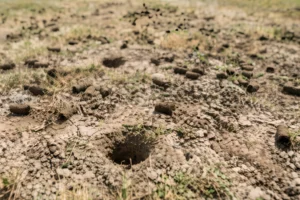
One thing we just dealt with this week in Central Ohio was a lawn fungus outbreak caused by high humidity and heavy overnight moisture. A customer in Lewis Center called us after seeing straw-colored circular patches spreading across the turf.
The lawn looked healthy a few weeks ago, but the watering schedule was working against it. As irrigation experts near you, we often find that lawn fungus problems are not caused by a lack of water but by watering at the wrong time of day.
This happens a lot throughout the growing season in the Ohio Valley. Warm nights, wet grass, poor air circulation, and too much water can turn a healthy lawn into a fungal mess fast. Brown patch, dollar spot, red thread, powdery mildew, and snow mold are some of the most common lawn diseases in Ohio. Most of them love wet leaf blades and high moisture sitting on the turf for long hours.
The good news is this. The time of day you irrigate your lawn can help stop fungal growth before it starts.
What Time Should You Water Your Lawn To Avoid Lawn Fungus?
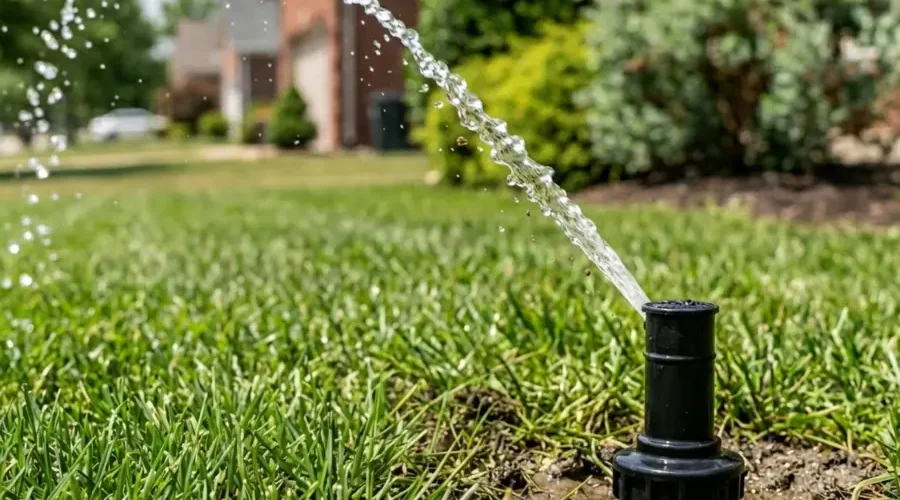
The best time to irrigate your lawn is early in the morning, usually between 4 AM and 8 AM.
That early watering window gives the turfgrass species enough water before the sun comes up strong. It also helps the leaf blades dry faster during the day. Dry grass is much harder for fungal spores and mold growth to spread on.
We just adjusted a lawn care program for a homeowner in Central Ohio after seeing signs of fungal disease on their Kentucky bluegrass lawn. The lawn was being watered around 8 PM every night. That left the turf wet for almost 12 hours straight. After changing the schedule to early morning watering, the lawn recovery started within weeks.
Why Morning Watering Works Better
Dry leaf blades help stop lawn fungus from spreading across the turf.
Cool morning temperatures allow water to soak into the soil without causing stress.
Better air circulation during the daytime helps lower humidity around the grass.
Less fungal growth happens when water does not sit overnight.
Why Is Night Watering Bad For Ohio Valley Lawns?
Night watering is one of the biggest causes of lawn disease in humid areas like the Ohio Valley.
When grass stays wet overnight, fungal spores grow fast. High humidity and warm air create the perfect home for fungal infections. That is when brown spots, circular patches, and thin spots start showing up.
We just finished a lawn inspection where excessive thatch and poor drainage made the outbreak even worse. The lawn had compacted soil, shaded areas, and standing water near the backyard. Those environmental conditions trapped moisture around the turf all night long.
Common Problems From Watering At Night
Brown Patch
Brown patch usually shows up during late spring and summer when nights stay warm and humid. It creates large brown spots that spread quickly across affected lawns.
Dollar Spot
Dollar spot often appears in lawns with low nitrogen and drought stress. Small straw-colored spots form and slowly join together.
Red Thread
Red thread is common in fine fescues and lawns with weak soil health. It leaves pink or red threads on the grass blades.
How Can You Lower The Risk Of Fungal Disease?
A healthy lawn needs more than watering at the right time. We always tell homeowners that lawn care is a full system working together.
Improve Air Circulation
Trees, shrubs, and thick overgrowth can trap humidity close to the turf. We often trim back crowded areas to improve air circulation around the lawn.
Watch Your Mowing Height
Cutting grass too short weakens healthy turf. We mow at the proper height to help turfgrass species stay stronger during humid weather.
Fix Poor Drainage
Poor drainage keeps soil wet for too long. We just installed drainage improvements for a customer after fungal disease kept returning every summer. If your lawn stays unusually wet or certain areas never seem to dry out, a hidden irrigation issue may be contributing to the problem. Our guide on could a small leak cause your sprinkler system to stop working explains how minor sprinkler system issues can lead to bigger watering and lawn health concerns.
Reduce Thatch Build-Up
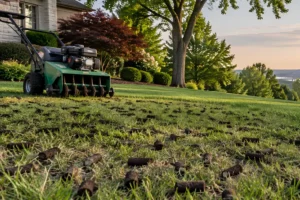
Too much thatch traps water and fungal spores near the soil surface. Lawn aeration helps break through compacted soil and improves drainage.
Should Fungicide Treatments Be Part Of Lawn Care?
Preventative fungicide applications can help protect lawns during periods of high humidity. Fungicide treatments are often used when disease identification shows active turf diseases spreading across the lawn.
At Expert Irrigation & Outdoor Lighting, we look at the full picture before recommending treatment options. Some lawns need aeration and overseeding first. Some need better watering habits. Others may need fungicide applications during severe outbreaks.
What We Usually Check First
Soil compaction can stop water from draining properly.
Excessive thatch can hold moisture near fungal spores.
Shaded areas often stay wet longer during humid weather.
Drainage problems can lead to future outbreaks.
Weak turf struggles to fight fungal infections.
Can Aeration And Overseeding Help Restore Lawn Health?
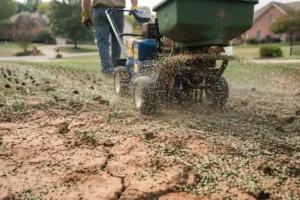
Aeration and overseeding can restore lawn strength after fungal disease damages the turf. We often overseed thin spots with disease-resistant grass varieties to help lawns recover faster.
Kentucky bluegrass can struggle during high humidity if airflow and drainage are poor. Adding stronger turfgrass species helps create healthier turf over time.
We just completed lawn aeration for a homeowner dealing with recurring lawn fungus every summer. After opening up the compacted soil and improving drainage, the lawn started filling back in much better.
Frequently Asked Questions About Expert Irrigation Services
1. Should I water my lawn at night during hot weather?
No. Night watering keeps the lawn wet for too long and increases the risk of lawn fungus and fungal disease. Morning watering is much safer for healthy turf.
2. Can poor drainage cause lawn fungus?
Yes. Poor drainage creates high moisture conditions that allow fungal spores and mold growth to spread faster. Wet soil can also weaken turf roots over time.
3. Will lawn aeration help stop future outbreaks?
Yes. Lawn aeration improves drainage, reduces soil compaction, and helps improve air circulation in the soil. This helps lower the risk of future outbreaks and supports lawn recovery.
Keep Your Lawn Dry And Healthy
The best time to irrigate your Ohio Valley lawn is early in the morning. That simple change can lower humidity around the turf, reduce fungal growth, and help stop lawn disease before it Healthy lawn care is not about dumping more water on the grass.
It is about watering at the right time, improving air circulation, fixing drainage issues, and helping the turf stay strong throughout the growing season. Homeowners interested in learning more about proper lawn watering practices can review the guidance provided by the University of California Integrated Pest Management Program, which explains how irrigation timing can affect turf health and disease development.
At Expert Irrigation & Outdoor Lighting, we help homeowners across Central Ohio protect their lawns from fungus outbreaks, poor drainage, and unhealthy turf conditions. If your lawn is showing brown spots, mold growth, thin areas, or signs of fungal disease, give us a call at (859) 282-8101. We are happy to inspect the lawn, adjust irrigation schedules, and help restore lawn health before the damage spreads further.