If your Kentucky lawn feels more like a brick floor than soft soil, there is a reason your grass may struggle. Hard soil can keep water, air, and nutrients from reaching the grass roots. When that happens, even regular watering may not give your lawn what it needs. A lawn aeration service in KY can help address compacted soil by creating openings that allow water and air to move more easily into the root zone.
At Expert Irrigation & Outdoor Lighting, we see this problem often. We work on lawns where water runs across the surface instead of soaking into the soil. We also see thin grass, bare spots, and areas that stay dry even after watering.
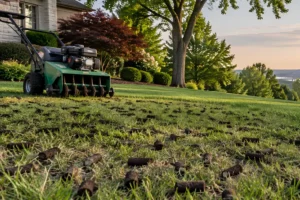
One of the ways we help is through lawn aeration. It is a simple process that opens small holes in the soil so your lawn can breathe, absorb water, and grow stronger roots.
Why Does Kentucky Soil Get Hard?
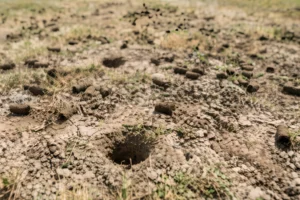
Kentucky has many areas with clay soil. Clay soil has very small particles that can pack together tightly. When the soil gets wet and then dries out, it can become hard and compacted.
Foot traffic, pets, mowing, construction work, and heavy equipment can also press the soil together.
What Happens When Soil Gets Compacted?
Less air reaches the roots. Grass roots need oxygen to grow properly, but tightly packed soil leaves little room for air.
Water has trouble moving down. Instead of soaking into the root zone, water may sit on top or run toward another part of the lawn.
Roots have less room to grow. Hard soil can make it difficult for grass roots to move deeper into the ground.
Grass can look weak. A lawn may become thin, dry, or patchy when roots cannot get enough water and air.
How Does Lawn Aeration Help?
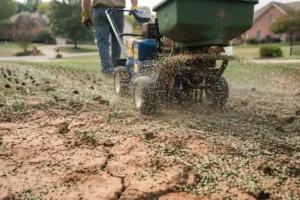
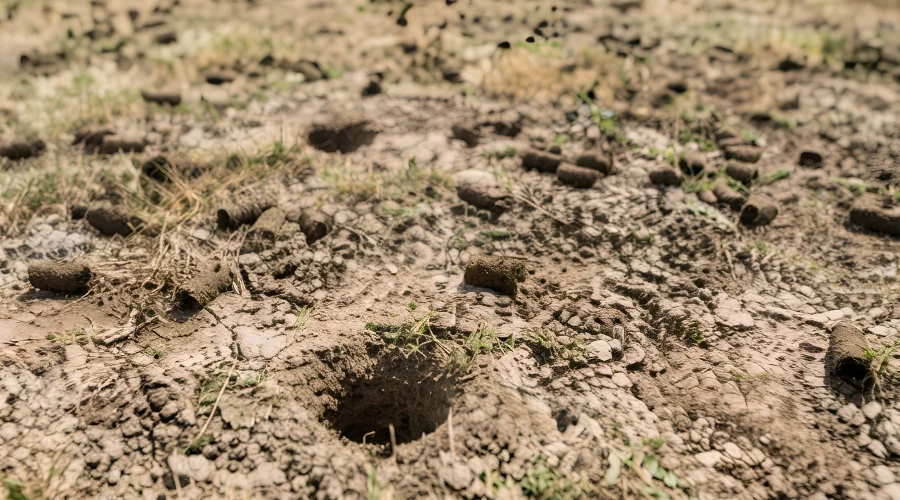
Aeration creates small openings in compacted soil. These openings give water, air, and nutrients a better path toward the grass roots.
When we aerate a lawn, we focus on areas where the soil is especially hard or where the grass has trouble growing. The goal is not simply to make holes. The goal is to improve the soil around the roots.
A healthy root zone gives grass a better place to grow. That can help the lawn handle normal foot traffic, dry weather, and the changing Kentucky seasons.
How Can You Tell If Your Soil Needs Aeration?
You do not need special equipment to spot some signs of compacted soil.
Watch What Happens After Watering
If water sits on the surface or runs away quickly, the soil may be too compacted.
Check How Hard the Soil Feels
Try pushing a screwdriver or similar tool into the soil when it is slightly moist. If it is very hard to push down, the soil may need help.
Look At The Grass
Thin grass, bare areas, shallow roots, and dry patches can all point to soil problems.
We recently worked on lawns where the grass looked thirsty even though the irrigation system was running. After checking the soil, the problem was not simply a lack of water. The soil was packed tightly, so water had trouble reaching the roots.
That is something we see more than people might expect.
When Is The Best Time To Aerate A Kentucky Lawn?
For many Kentucky lawns, fall is a great time for aeration. Cool-season grasses can take advantage of the cooler weather and better growing conditions.
Spring can also be a good time when the soil and grass conditions are right. The best timing depends on the type of grass, soil condition, and weather.
We look at the lawn before deciding when to aerate. Aeration should fit the lawn instead of following the same schedule for every property.
Can Aeration Help Your Irrigation System Work Better?
Aeration can help water move into the soil more easily.
This matters because a good irrigation system can only do so much if the soil is packed tight. Sprinklers may apply the right amount of water, but compacted soil can stop that water from reaching the root zone.
After aeration, water has more pathways into the soil. That can help reduce surface runoff and allow more moisture to reach the grass roots.
This is one reason we look at both irrigation and soil conditions when a lawn is not responding well to watering.
What Should You Do After Aeration?
After aeration, give the lawn the care it needs to recover and grow.
Water properly
Keep the soil moist enough to support new root growth without keeping it soaked.
Keep mowing correctly
Avoid cutting the grass too short, since taller grass can help support healthier roots.
Feed the lawn when needed
A soil test can help show what nutrients may be missing.
Watch traffic on the lawn
Heavy use can pack the soil again, especially when the ground is wet.
Why Does Soil Aeration Matter For A Healthy Lawn?
Hard soil can cause problems that are easy to blame on watering, fertilizer, or grass type. Sometimes the real problem is below the surface.
Aeration gives compacted soil more room for air and water. It also gives grass roots a better place to grow.
From the lawns we work on, we have seen how much soil condition can affect the way grass looks and responds to care. A lawn does not always need more water. Sometimes it needs a better path for that water to reach the roots.
If you want more practical lawn-care guidance, the University of Kentucky’s lawn aeration and maintenance tips offer helpful information on aerating compacted soil, managing Kentucky lawns, and improving overall turf health.
Frequently Asked Questions About Lawn Aeration
1. Does hard soil need aeration?
Yes. Aeration can open compacted soil and give air and water a better path to the grass roots.
2. Can aeration help water soak into my lawn?
Yes. The small openings made during aeration can help water move deeper into the soil instead of sitting on the surface.
3. Should every Kentucky lawn be aerated?
No. Aeration is most useful when soil is compacted, or grass roots are having trouble getting enough air and water.
Give Your Kentucky Lawn Room To Breathe
Kentucky soil can become hard and compacted, especially in areas with clay soil and heavy foot traffic. When that happens, grass roots can struggle to get air, water, and nutrients.
Aeration helps open the soil and improve movement around the roots. It can also work well alongside a properly adjusted irrigation system.
If your lawn has dry spots, thin grass, or water that keeps running across the surface, Expert Irrigation & Outdoor Lighting can take a closer look. Call us or contact Expert Irrigation & Outdoor Lighting at (859) 282-8101 to talk about your lawn and find out if aeration and better irrigation care can help.